
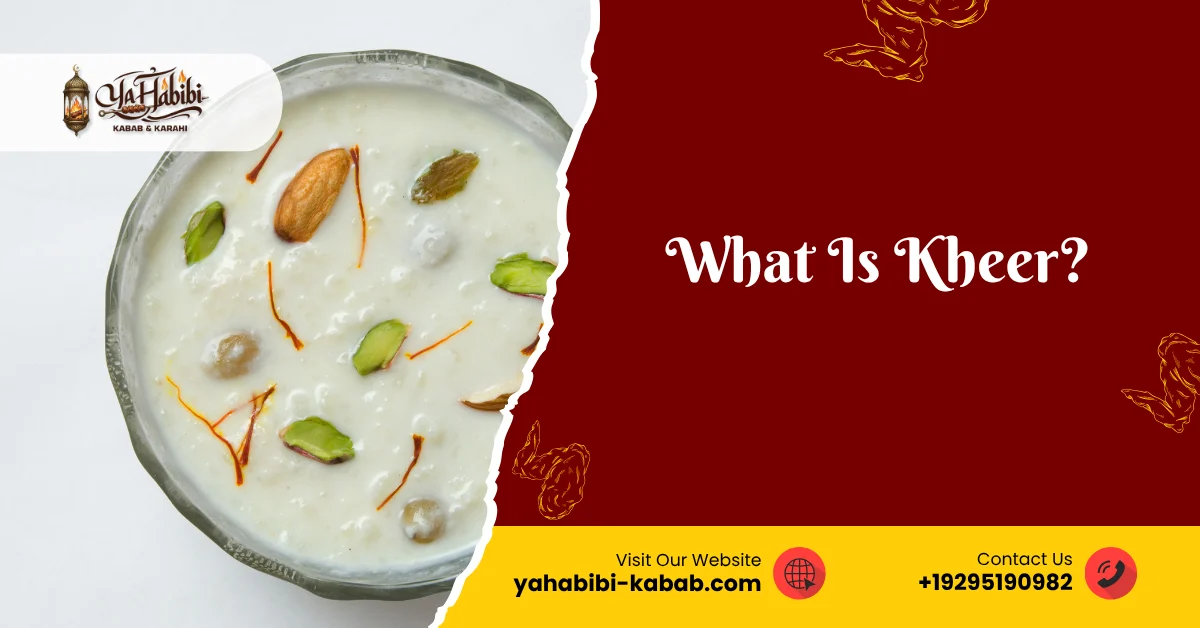
Have you ever tried a dessert made with rice, milk, sugar, and a touch of cardamom? If not, you may be missing out on kheer, one of South Asia's most loved sweet dishes.
Kheer is a creamy rice pudding enjoyed in countries such as India, Pakistan, and Bangladesh. It has a rich, milky taste, a soft texture, and a gentle sweetness. Families often prepare it for holidays, weddings, and other celebrations. But you don't need a special occasion to enjoy a bowl.
So, what is kheer, what makes it different from regular rice pudding, and why do so many people love it? Let's find out.
What Is Kheer?
Kheer is a traditional South Asian dessert made by slowly cooking rice in milk with sugar and cardamom. As the rice becomes soft, the milk thickens and turns creamy. The result is a smooth, sweet pudding that can be served warm or chilled.
Rice kheer is also known as chawal ki kheer. The word chawal means rice in Hindi and Urdu.
Unlike some desserts that need many ingredients, traditional kheer uses just a few everyday items. Its special taste comes from the way the rice and milk cook together over low heat.
Although rice is the most common ingredient, some families make kheer with vermicelli (thin noodles), tapioca pearls, or other grains.
What Does Kheer Taste Like?
If you have never eaten kheer, imagine a bowl of soft rice mixed into sweet, creamy milk. Now add a light smell of cardamom and a little crunch from chopped nuts.
That's close to what traditional rice kheer tastes like.
Kheer is usually sweet, but it does not have to be overly sugary. The milk gives it a rich flavor, while cardamom adds a gentle, warm scent. Some recipes also include saffron or rose water for an extra touch of flavor.
The texture is another reason people enjoy it. The rice becomes very soft during cooking, but you can still feel the small grains in each spoonful.
Chilled kheer becomes thicker and feels cool and refreshing. Warm kheer is softer and makes a comforting dessert on a cold day.
What Is Kheer Made Of?
A traditional bowl of kheer starts with simple ingredients. Each one plays a part in creating its taste and texture.
Rice: White rice, often basmati, is commonly used. It becomes tender as it cooks and helps thicken the milk.
Milk: Whole milk gives kheer its rich, creamy texture. The milk slowly becomes thicker as it cooks.
Sugar: Sugar adds sweetness. The amount can change depending on personal taste.
Cardamom: This fragrant spice gives kheer its familiar sweet and slightly floral smell.
Nuts and dried fruits: Almonds, pistachios, cashews, and raisins are common additions. They bring extra flavor and a little crunch.
Some recipes also use saffron, rose water, or jaggery, a traditional sweetener made from sugarcane or palm sap.
Not every bowl of kheer contains all these ingredients. Recipes vary by family and region.
How Is Traditional Kheer Made?
Making rice kheer is simple, but it takes patience. The key is to cook the rice and milk slowly so the pudding becomes thick without burning.
A basic homemade version uses about ¼ cup of uncooked rice, 4 cups of whole milk, 4 tablespoons of sugar, and ¼ teaspoon of ground cardamom. You can also add nuts or saffron.
Here is how the cooking process works:
- Wash the rice. Rinse the rice with water and drain it.
- Cook it in milk. Heat the milk in a heavy pot, add the rice, and let it simmer gently. Stir often so the milk does not burn.
- Add sugar. Once the rice becomes very soft, mix in the sugar and continue cooking until the pudding thickens.
- Add flavor. Stir in the cardamom and any optional toppings.
- Serve and enjoy. Pour the kheer into small bowls and enjoy it warm, or refrigerate it for a chilled dessert.
The cooking process usually takes around 40–50 minutes, depending on the type of rice and how thick you want the pudding.
One useful tip: Kheer becomes thicker as it cools. If it looks slightly loose while hot, it may reach the right texture after resting.
Where Does Kheer Come From?
Kheer has a long history in South Asian food culture. Milk-and-grain desserts have been prepared across the region for centuries, although the exact origin of modern kheer is difficult to trace.
Today, kheer is especially popular in India, Pakistan, and Bangladesh. People enjoy it at home, in restaurants, and during family gatherings.
In many households, making kheer is a way of celebrating an important day or welcoming guests.
It is also connected with different religious and cultural celebrations, including Eid, Diwali, and weddings. Recipes may change from one family to another, but the idea of sharing a sweet dessert remains much the same.
Is Kheer the Same as Regular Rice Pudding?
Kheer is a type of rice pudding, but not every rice pudding is kheer.
Many countries have desserts made with rice and milk. The main differences are the spices, cooking methods, and local traditions.
For example, some Western rice pudding recipes use cinnamon, vanilla, or eggs. They may also be baked in the oven.
Traditional South Asian rice kheer is usually cooked on the stove. Cardamom is one of its most common flavors, and the milk becomes creamy through slow cooking.
Kheer also differs from phirni, another South Asian pudding. Phirni is usually made with ground rice, giving it a smoother texture. Kheer often contains soft pieces of whole or broken rice.
If you like regular rice pudding, there is a good chance you'll enjoy kheer, especially if you like mild, fragrant spices.
Where Can You Try Kheer in Astoria, NY?
If you live in Astoria or are visiting Steinway Street in Queens, you don't have to make kheer at home to enjoy it.
At Ya Habibi Kabab & Karahi, we serve traditional South Asian-style Kheer (Rice Pudding), made by slowly simmering rice in whole milk and adding cardamom for its warm, gentle flavor.
Our kheer is served chilled, making it a great dessert after a plate of chicken karahi, freshly grilled kababs, or another favorite from our menu.
Whether you're planning dinner with friends or looking for something sweet after a meal, you can stop by our restaurant at 25-79 Steinway St, Astoria, NY 11103.
You can also check our menu or call (929) 519-0982 before visiting.
Final Thoughts
Kheer shows how a few simple ingredients can create a dessert that people enjoy across generations. With soft rice, creamy milk, and the gentle flavor of cardamom, it offers something different from an everyday pudding.
Whether you want to make it at home or try it for the first time at a restaurant, kheer is worth exploring.
And if you're around Astoria, Queens, visit Ya Habibi Kabab & Karahi and try our chilled rice kheer after your meal. It might become your new favorite dessert.
Frequently Asked Questions About Kheer
If you're new to this dessert, you may still have a few questions. Here are some quick answers.
Is kheer served hot or cold?
Kheer can be served both ways. Warm kheer has a softer texture, while chilled kheer is usually thicker. Both are traditional ways to enjoy it.
Is kheer made only with rice?
No. Rice kheer is one of the most popular versions, but other types use vermicelli, tapioca pearls, or different grains.
Is kheer the same as phirni?
Not exactly. Both are milk-based South Asian desserts, but phirni is commonly made with ground rice. Traditional rice kheer often contains soft rice grains.
Does kheer contain dairy or nuts?
Traditional kheer usually contains dairy milk. Nuts may also be added, depending on the recipe. If you have a food allergy, always check the ingredients with the restaurant before ordering.
Is kheer a healthy dessert?
Kheer contains milk and rice, which provide nutrients such as protein and carbohydrates. However, it also contains added sugar and can be rich in calories. The amount depends on the ingredients and portion size. It is best enjoyed as a sweet treat rather than a health food.