
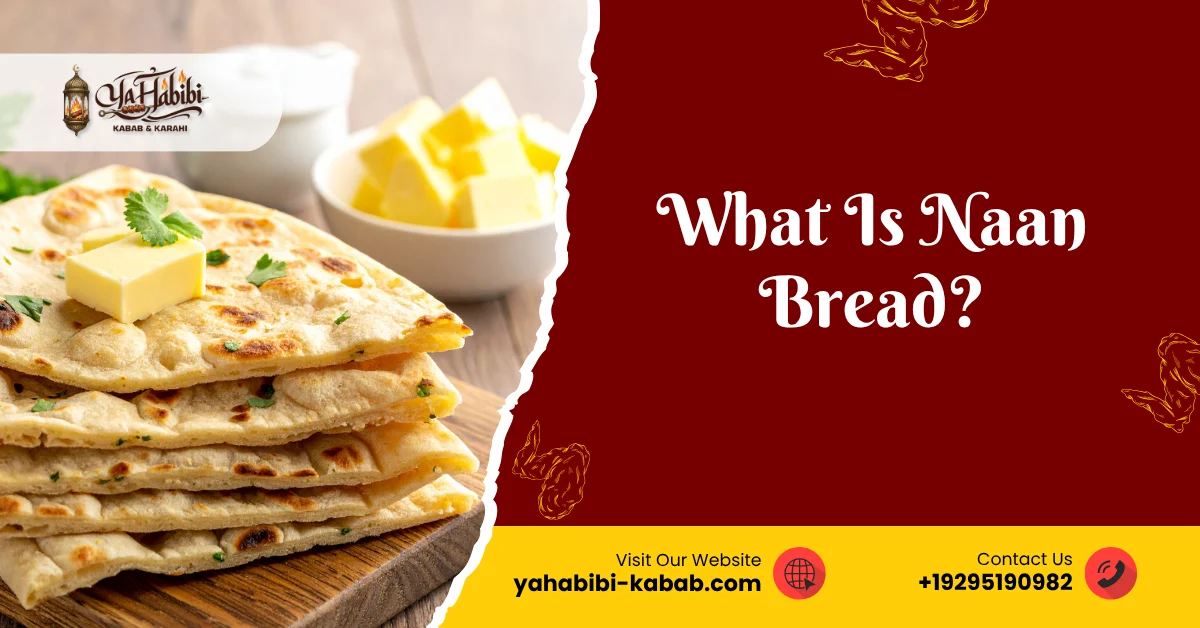
Naan bread is one of the most recognizable flatbreads in the world. Known for its soft texture, slightly chewy bite, and golden-brown blistered surface, naan has been enjoyed for centuries across South Asia, Central Asia, and parts of the Middle East.
Today, naan is a staple in many Indian, Pakistani, and Afghan restaurants, often served alongside rich curries, grilled kebabs, lentil dishes, and flavorful rice meals. Its ability to complement a wide variety of foods has helped make it one of the most popular flatbreads worldwide.
While many people enjoy naan as a side dish, few know the history behind it, how it is traditionally made, or the different varieties found across regions and cultures. From ancient Persian influences to modern restaurant menus, naan has a fascinating story that spans centuries of culinary tradition.
Naan Bread at a Glance
|
Feature |
Quick Overview |
|
Type of Bread |
Leavened flatbread |
|
Origin |
Ancient Persia |
|
Meaning of Naan |
Persian word nân, meaning "bread" |
|
Popular In |
India, Pakistan, Afghanistan, Central Asia, and the Middle East |
|
Traditional Cooking Method |
Baked in a tandoor clay oven |
|
Main Ingredients |
Flour, yeast, water, yogurt, milk, salt, ghee or butter |
|
Texture |
Soft, fluffy, and slightly chewy |
|
Flavor |
Mild, buttery, and lightly smoky |
|
Traditional Pairings |
Curries, kebabs, grilled meats, lentils, and rice dishes |
|
Contains Yeast? |
Usually yes |
|
Similar Breads |
Roti, pita, kulcha, lavash |
|
Best Known For |
Soft texture, blistered surface, and tandoor-baked flavor |
|
Cultural Significance |
A staple bread with centuries of history across Persia, South Asia, and Central Asia |
|
Popular Variations |
Plain, butter, garlic, cheese, keema, paneer, aloo, Peshwari, and Kashmiri naan |
What Is Naan Bread?
Naan is a leavened flatbread traditionally baked in a tandoor, a cylindrical clay oven that reaches extremely high temperatures. Unlike many flatbreads that are made with only flour and water, traditional naan often includes ingredients such as yeast, yogurt, or milk, which help create its soft, fluffy texture.
When baked inside a hot tandoor oven, the dough develops its signature characteristics: a lightly charred exterior, golden-brown blistered spots, and a tender interior. The intense heat cooks the bread in just a few minutes, giving naan its distinctive flavor and texture.
The History of Naan Bread
Naan has a long and fascinating history that stretches across multiple regions and cultures. While it is commonly associated with Indian cuisine today, its origins go back much further. The story of naan reflects centuries of trade, migration, cultural exchange, and culinary tradition that helped shape many of the foods enjoyed across Asia today.
Ancient Persian Origins
Historians generally trace the origins of naan to ancient Persia, where various forms of flatbread were baked in clay ovens and served alongside meats, stews, and vegetables. Over time, these baking traditions spread throughout Central Asia, the Middle East, and surrounding regions through trade routes and cultural exchange.
How Naan Arrived in the Indian Subcontinent
Naan is believed to have reached the Indian subcontinent through Persian cultural influence, trade networks, and the arrival of various dynasties from Central and Western Asia. The bread became more widely known during the Delhi Sultanate period, when Persian culinary traditions began influencing local food culture.
Its popularity continued to grow during the Mughal Empire, which played a major role in introducing and refining many dishes that are now associated with South Asian cuisine. During this time, naan was often prepared in royal kitchens and served to nobles, rulers, and members of the elite.
The First Recorded Mentions of Naan
Some of the earliest written references to naan are linked to the famous Indo-Persian poet and scholar Amir Khusrau, who lived during the late 13th and early 14th centuries. His writings mention varieties of bread that were popular during the Delhi Sultanate period.
Historical records from around 1300 CE refer to breads such as Naan-e-Tanuri, which was baked in a tandoor oven, and Naan-e-Tunuk, a thinner style of flatbread. These references provide valuable insight into how naan was prepared and enjoyed centuries ago.
While the bread has evolved over time and taken on different regional forms, the basic concept has remained remarkably consistent. From ancient Persian ovens to modern restaurants around the world, naan continues to be a beloved flatbread with a history that spans centuries and cultures.
Why Is Naan Bread So Popular?
Few flatbreads have achieved the worldwide popularity of naan. From traditional restaurants in South Asia to modern kitchens across Europe and North America, naan has become a favorite because of its flavor, texture, and versatility.
Rich Flavor Profile
One of the biggest reasons people love naan is its unique taste and texture. The combination of flour, yeast, yogurt, and milk creates a soft and airy interior, while the intense heat of a tandoor oven produces lightly charred spots and a subtle smoky flavor.
When brushed with butter or ghee after baking, naan develops an even richer taste that pairs well with a wide variety of dishes. The contrast between the slightly crisp exterior and the soft center makes it enjoyable on its own or as part of a larger meal.
Complements Various Dishes
Naan is often served alongside curries, kebabs, grilled meats, and vegetable dishes because it helps balance bold flavors and spices. Its soft texture makes it perfect for scooping sauces, dipping into curries, or wrapping around grilled foods.
Whether paired with butter chicken, lamb curry, dal makhani, or chicken tikka, naan adds both texture and flavor to the dining experience. This versatility has helped it become a staple in many cuisines beyond its traditional roots.
Global Popularity
Another reason naan remains so popular is the wide variety available today. Diners can choose from classic plain naan, garlic naan, butter naan, cheese-filled naan, and many other regional variations.
As Indian, Pakistani, and Afghan cuisine have gained popularity around the world, naan has become one of the most recognized and widely enjoyed flatbreads. Its ability to complement different foods and adapt to local tastes has helped it remain a favorite across generations and cultures.
Traditional Ingredients Used in Naan Bread
Although recipes vary by region and family tradition, most authentic naan recipes are built around a handful of simple ingredients. Each ingredient plays an important role in creating the bread's signature texture, flavor, and appearance.
Basic Ingredients
Traditional naan commonly contains flour, water, yeast, salt, yogurt, and ghee or butter. Together, these ingredients create a dough that is soft, elastic, and capable of producing the fluffy texture naan is known for.
Flour serves as the foundation of the dough and helps create the bread's structure.
Yeast acts as the leavening agent, allowing the dough to rise and develop air pockets that give naan its light texture.
Water helps combine the ingredients and create a workable dough.
Salt enhances flavor and balances the richness of the other ingredients.
Yogurt is one of the key ingredients that contributes to naan's softness. It also adds a slight tang and helps improve the dough's texture.
Milk is often included to create a richer dough and support browning during baking.
Ghee or butter adds flavor, tenderness, and moisture, especially when brushed onto the bread after it comes out of the oven.
Optional Ingredients
Many naan varieties include additional ingredients that add flavor, texture, or fillings.
Garlic is one of the most popular additions and is commonly sprinkled on top before baking.
Fresh herbs, such as cilantro, can be added for extra flavor and color.
Cheese is used in stuffed naan varieties and creates a rich, savory filling.
Potatoes are commonly used in aloo naan, where seasoned mashed potatoes are enclosed inside the dough.
Spices such as cumin, nigella seeds, or chili flakes may be added to enhance flavor and create regional variations.
These optional ingredients have helped naan evolve into many different styles while maintaining the characteristics that have made it popular for centuries.
How Is Naan Bread Made?
Traditional naan bread may seem simple, but its texture and flavor come from a carefully developed process. From preparing the dough to baking it in a hot tandoor oven, each step plays an important role in creating the soft, fluffy bread that naan is known for.
Step 1 – Preparing the Dough
The process begins by combining flour, yeast, water, salt, yogurt, and sometimes milk into a smooth dough. The yeast is typically activated before mixing, allowing it to begin producing the gases needed for the dough to rise.
Once the ingredients are combined, the dough is kneaded until it becomes soft and elastic. Kneading helps develop gluten, which gives naan its structure and chewy texture. This step also ensures the ingredients are evenly distributed throughout the dough.
Step 2 – Fermentation and Rising
After kneading, the dough is left to rest and rise. This stage, known as proofing or fermentation, allows the yeast to produce carbon dioxide, creating tiny air pockets throughout the dough.
Proper fermentation is essential because it helps develop both flavor and texture. As the dough rises, it becomes lighter and easier to shape. The process also contributes to the soft and airy interior that distinguishes naan from many other flatbreads.
Step 3 – Shaping the Naan
Once the dough has risen, it is divided into individual portions and shaped by hand. Traditional naan is often stretched into an oval or teardrop shape, although sizes and shapes can vary depending on the region and baking style.
Rather than being rolled extremely thin, the dough is usually left slightly thicker so it can puff up during baking. Skilled bakers often stretch the dough by hand to create an even thickness while preserving the air pockets formed during fermentation.
Step 4 – Baking in a Tandoor Oven
The most traditional way to cook naan is in a tandoor, a cylindrical clay oven capable of reaching extremely high temperatures. Authentic naan is traditionally baked by pressing the dough onto the inner walls of a tandoor oven, where temperatures can exceed 480°C (900°F).
The intense heat cooks the bread within minutes. As the dough bakes, it develops the blistered surface, charred spots, and slightly smoky flavor that are characteristic of traditional naan. The rapid cooking process also helps keep the inside soft and tender while creating a lightly crisp exterior.
This unique baking method is one of the main reasons authentic tandoor-baked naan has a texture and flavor that is difficult to replicate using standard ovens.
Step 5 – Finishing with Butter or Ghee
After the naan is removed from the tandoor, it is often brushed with melted butter or ghee while still hot. This final step adds richness, enhances flavor, and helps keep the bread soft.
Depending on the recipe, additional toppings such as garlic, fresh herbs, or spices may also be added before serving. The result is a warm, flavorful flatbread that pairs perfectly with curries, kebabs, grilled meats, and a wide range of traditional dishes.
Different Types of Naan Bread
One of the reasons naan remains so popular is the variety of flavors and fillings available. While traditional naan is delicious on its own, different regions and restaurants have created unique versions that cater to a wide range of tastes. Whether you prefer something savory, buttery, cheesy, or slightly sweet, there is a type of naan for almost every meal.
Plain Naan
Plain naan is the traditional version and one of the most commonly served flatbreads in restaurants. Made from a simple leavened dough and baked in a tandoor oven, it has a soft texture, lightly charred surface, and mild flavor that pairs well with almost any dish.
Because of its versatility, plain naan is often served alongside curries, kebabs, lentils, and grilled meats.
Butter Naan
Butter naan is a popular variation finished with melted butter immediately after baking. The butter adds extra richness and helps keep the bread soft and flavorful.
Its slightly indulgent taste makes it a favorite choice for dishes with rich sauces, such as butter chicken, chicken tikka masala, and lamb curry.
Garlic Naan
Garlic naan is one of the most searched and ordered naan varieties worldwide. Fresh minced garlic is typically added to the surface of the dough before baking, creating a bold aroma and savory flavor.
Many restaurants also finish garlic naan with butter and chopped herbs, making it an excellent companion for spicy curries and grilled dishes.
Cheese Naan
Cheese naan features a melted cheese filling enclosed inside the dough before baking. The heat of the tandoor creates a soft, gooey center while keeping the exterior lightly crisp.
This variety has become especially popular among diners looking for a richer and more indulgent alternative to traditional naan.
Keema Naan
Keema naan is stuffed with seasoned minced meat, usually lamb, beef, or chicken. The filling is mixed with herbs and spices before being sealed inside the dough and baked.
Because it combines bread and protein in one dish, keema naan is often enjoyed as a satisfying meal on its own or served alongside yogurt-based sauces.
Peshwari Naan
Peshwari naan is known for its slightly sweet flavor and rich filling. Traditionally associated with the city of Peshawar, this variety contains a mixture of nuts, dried fruits, coconut, and sometimes raisins.
The combination of sweet and savory flavors makes it a unique option that pairs particularly well with spicy curries.
Kashmiri Naan
Kashmiri naan is another stuffed variation that often includes nuts, dried fruits, and aromatic spices. Depending on the recipe, it may contain ingredients such as almonds, pistachios, raisins, or coconut.
Its rich filling and layered flavors make it one of the more distinctive naan varieties found in South Asian cuisine.
Paneer Naan
Paneer naan is filled with paneer, a fresh Indian cottage cheese commonly used in many vegetarian dishes. The cheese is often combined with herbs, spices, and seasonings to create a flavorful filling.
This variety is especially popular among vegetarians and those looking for a protein-rich alternative to meat-filled naan.
Aloo Naan
Aloo naan is stuffed with seasoned mashed potatoes mixed with herbs and spices. The filling creates a soft, hearty texture and adds extra flavor to the bread.
Often served with yogurt, chutneys, or curries, aloo naan is a comforting option that remains popular across India, Pakistan, and other parts of South Asia.
From simple plain naan to stuffed specialties filled with meat, cheese, nuts, or vegetables, these varieties showcase the versatility of one of the world's most beloved flatbreads.
Naan vs Roti: What's the Difference?
Naan and roti are two of the most popular flatbreads in South Asian cuisine. While they are often served alongside similar dishes, they differ significantly in ingredients, texture, cooking methods, and nutritional profile. Understanding these differences can help you choose the bread that best suits your meal and preferences.
Roti is generally unleavened and made with whole wheat flour, while naan is typically leavened and richer due to ingredients like yogurt, milk, and ghee. As a result, naan tends to be softer and more indulgent, while roti is lighter and often considered a more everyday staple.
|
Feature |
Naan |
Roti |
|
Flour |
Refined flour (all-purpose flour) |
Whole wheat flour |
|
Yeast |
Usually yes |
No |
|
Texture |
Soft and fluffy |
Thin and chewy |
|
Cooking Method |
Tandoor oven |
Tawa (flat griddle) |
|
Fat Content |
Higher |
Lower |
When to Choose Naan or Roti
Naan is often the preferred choice for restaurant meals, special occasions, and dishes with rich sauces because its soft texture is ideal for scooping curries and gravies.
Roti is commonly enjoyed as an everyday bread in many households and pairs well with vegetables, lentils, and lighter meals.
Both breads have an important place in South Asian cuisine, and neither is necessarily better than the other. The choice often comes down to personal preference and the type of meal being served.
Best Dishes to Serve with Naan
Naan bread is one of the most versatile flatbreads in the world. Its soft texture, slightly smoky flavor, and ability to soak up rich sauces make it the perfect companion for many traditional South Asian and Middle Eastern dishes. Whether paired with grilled meats, flavorful karahi, or served alongside appetizers, naan helps bring every element of a meal together.
Chicken Karahi
Chicken karahi is one of the most popular dishes to enjoy with fresh naan. Cooked with tomatoes, garlic, ginger, and aromatic spices, the rich sauce is perfect for scooping up with warm bread. The combination of freshly baked naan and karahi has been a favorite across South Asia for generations.
Goat Karahi
For those who enjoy deeper, more robust flavors, goat karahi is an excellent pairing. The tender meat and thick, spice-rich gravy complement the soft texture of naan, creating a hearty and satisfying meal.
Chicken Achari Karahi
Known for its distinctive pickle-inspired flavor, chicken achari karahi offers a bold combination of spices and tangy notes. Plain naan or garlic naan helps balance these flavors while soaking up the flavorful sauce.
Beef Karahi
Beef karahi is another traditional dish that pairs naturally with naan. The bread acts as the perfect utensil, allowing diners to enjoy every bite of the slow-cooked meat and richly seasoned gravy.
Chicken Malai Karahi
With its creamy texture and milder flavor profile, chicken malai karahi pairs exceptionally well with fresh naan. The soft bread complements the smooth, velvety sauce and enhances the overall dining experience.
Chicken Seekh Kabab
Fresh naan and seekh kababs are a classic combination. The bread can be wrapped around the grilled meat along with sauces and fresh vegetables, creating a flavorful and convenient meal.
Beef Seekh Kabab
The smoky flavor of beef seekh kababs works beautifully with naan. Together, they create a satisfying balance of char-grilled meat and soft, freshly baked bread.
Chicken Bihari Kabab
Marinated with traditional spices and grilled to perfection, chicken bihari kabab is another dish that pairs naturally with naan. The bread helps highlight the smoky flavors while adding texture to every bite.
Chicken Malai Tikka
Known for its creamy marinade and tender texture, chicken malai tikka pairs wonderfully with plain naan or garlic naan. The bread complements the rich flavors without overpowering them.
Lamb Chops
Naan is also a great side for grilled lamb chops. The bread can be enjoyed alongside the meat, rice, and sauces, creating a complete and satisfying meal.
Chana Chaat
While often served as an appetizer, chana chaat can also be enjoyed with naan for a lighter meal. The chickpeas, herbs, and spices create a flavorful combination that works surprisingly well with freshly baked bread.
Which Naan Pairs Best?
Different naan varieties can enhance different dishes:
- Plain Naan – Ideal for rich karahi dishes and grilled meats
- Garlic Naan – Excellent with kababs and spicy curries
- Cheese Naan – Pairs well with grilled chicken and milder dishes
- Achari Naan – Complements bold and tangy flavors
- Sesame Naan – Adds a subtle nutty flavor to grilled dishes
Whether served with karahi, kababs, grilled seafood, or traditional appetizers, naan remains one of the best ways to enjoy authentic South Asian and Middle Eastern cuisine.
Conclusion
Naan bread is much more than a simple side dish. Its history stretches back centuries, with roots in ancient Persia before spreading across South Asia, Central Asia, and beyond. Over time, it evolved into one of the world's most beloved flatbreads, appreciated for its soft texture, distinctive flavor, and versatility.
From traditional tandoor baking methods to modern home cooking techniques, naan continues to be an important part of many culinary traditions. Its wide range of varieties—from classic plain naan and garlic naan to stuffed options like keema naan and paneer naan—shows how adaptable and enduring this bread has become.
Whether you're enjoying naan alongside a rich curry, pairing it with grilled kebabs, or making it from scratch in your own kitchen, it remains a bread that brings people together around a shared meal.
If you've never tried freshly baked naan, consider ordering it from an authentic restaurant or making it at home to experience its unique texture and flavor firsthand. With its rich history, cultural significance, and countless serving possibilities, it's easy to understand why naan remains a favorite around the world.
Frequently Asked Questions About Naan Bread
What does naan mean?
The word naan comes from the Persian word nân, which simply means "bread." The term has been used for centuries across Persia, Central Asia, and neighboring regions before becoming widely associated with South Asian cuisine.
Is naan bread Indian or Persian?
Naan is believed to have originated in ancient Persia. However, it became deeply integrated into Indian, Pakistani, Afghan, and other South Asian cuisines over time. Today, naan is commonly associated with Indian food, but its roots can be traced back to Persian bread-making traditions.
Why is naan bread so soft?
Traditional naan is made with ingredients such as yeast, yogurt, and sometimes milk, which help create a soft and airy texture. The dough is also allowed to rise before baking, resulting in a light, fluffy interior.
Is naan healthier than regular bread?
The nutritional value of naan depends on the recipe. Traditional naan can be higher in calories and fat because it often contains yogurt, butter, or ghee. Whole wheat bread may provide more fiber, while naan offers a richer texture and flavor. Moderation and portion size are important when comparing any type of bread.
Can naan be frozen?
Yes. Naan freezes well and can be stored in an airtight container or freezer bag for several months. To serve, simply thaw and reheat it in an oven, skillet, or air fryer until warm.
What is the difference between naan and pita bread?
Although both are popular flatbreads, they are quite different. Naan is usually leavened and made with ingredients like yogurt or milk, giving it a soft and fluffy texture. Pita bread is typically leaner and forms a pocket when baked, making it ideal for sandwiches and wraps.
Does traditional naan contain yeast?
In most traditional recipes, yes. Yeast helps the dough rise and contributes to naan's soft texture. Some modern recipes use baking powder or other leavening agents, but yeast remains common in authentic naan preparation.
Can naan be made without a tandoor?
Yes. While a tandoor oven produces the most authentic results, naan can also be made using a cast-iron skillet, pizza stone, baking steel, or a conventional oven. These methods can create a similar texture and flavor when a tandoor is not available.
Is naan always made with refined flour?
Traditional restaurant-style naan is often made with refined flour (all-purpose flour), which contributes to its soft texture. However, many modern recipes use whole wheat flour or a combination of whole wheat and refined flour for added fiber and nutrition.
What is the most popular type of naan?
Garlic naan is one of the most popular and widely ordered varieties worldwide. Its combination of freshly baked bread, garlic, butter, and herbs makes it a favorite accompaniment to curries, kebabs, and grilled dishes.
Why does naan have charred spots?
The dark spots on naan are created during the baking process in a hot tandoor oven. These charred areas add flavor, texture, and the slightly smoky taste that many people associate with authentic naan.
Can vegetarians eat naan?
Most naan varieties are vegetarian because they are made from flour, yeast, yogurt, and dairy ingredients. However, some stuffed versions, such as keema naan, contain meat. It's always a good idea to check the ingredients when ordering or purchasing naan.
What foods pair best with naan?
Naan is commonly served with dishes such as butter chicken, chicken tikka masala, lamb curry, dal makhani, palak paneer, chana masala, and grilled kebabs. Its soft texture makes it perfect for scooping sauces and enjoying alongside flavorful meals.